
How to Choose the Best Cold Plunge Chiller for Muscle Recovery
- Ezra Miller

- Nov 27, 2025
- 4 min read

Highlights
Choosing the right cold plunge chiller ensures consistent cooling, safer sessions, and a recovery routine that actually supports long-term performance.
Different chiller models offer unique advantages from filtration and energy efficiency to cooling power helping you match the system to your goals and setup.
The right guidance makes selection easier: understanding size, temperature range, and maintenance gives you confidence to build a cold-plunge routine that works.
A cold plunge chiller has become a go-to recovery method for athletes, lifters, and anyone who needs effective inflammation control.
A quality chiller ensures stable temperatures, clean water, and reliable performance so you can receive the full physiological benefits of cold-water immersion, from improved circulation to better stress adaptation.
This guide walks you through what cold what cold plunging is, who it’s best for, how chillers work, and how to choose the right model for your health, recovery, and training goals.
Let’s dive in!
What Is Cold Plunging?
Cold plunging is a cold-water immersion practice designed to trigger physiological responses that support recovery, circulation, and stress adaptation. Most sessions last a few minutes and involve controlled exposure to low temperatures to stimulate the body’s natural repair mechanisms.
Many athletes, fitness enthusiasts, and individuals dealing with muscle fatigue use this method to manage post-workout inflammation and improve overall resilience. Its growing popularity comes from its accessibility.
Is Cold Plunging Good for Your Health?
Yes, cold plunging is good for your health when done safely and consistently. It can help regulate inflammation, enhance recovery, promote mental resilience, and support overall well-being. However, people with certain medical conditions should consult a healthcare provider before starting.
While cold immersion offers promising advantages, it’s important to approach it with awareness. If you have cardiovascular conditions, uncontrolled hypertension, or circulation disorders, you should consult a healthcare professional before adding cold exposure to your routine.
When done safely, cold plunging can complement a balanced recovery plan, but its effects vary from person to person, making guidance from a PT or medical provider especially valuable.

Who Should Cold Plunge?
People who train intensely, experience muscle soreness, manage inflammation, or need structured recovery routines should cold plunge. It’s also suitable for anyone looking to improve resilience, circulation, and post-exercise recovery.
Cold is a stressor, so if you are able to get into the cold and control your body's response to it, you will be able to control stress. - Wim Hof, also known as The Iceman

What is a Cold Plunge Chiller?
A cold plunge chiller is a temperature-control device that continuously cools and circulates water to keep your plunge tub at a stable, low setting. It removes heat from the water, filters out impurities and maintains the environment needed for safe and consistent cold-immersion sessions.
Beyond simple cooling, modern chillers provide precision, reliability, and automation. Many include built-in filtration systems, app-based temperature control, and energy-efficient components that make daily use easier and more hygienic.
How Does a Cold Plunge Chiller Work?
A cold plunge chiller works by pulling water from the tub, cooling it through a refrigeration system, filtering debris, and pumping the clean, chilled water back into the plunge. This creates a steady, consistent temperature ideal for recovery sessions.
What Are the Benefits of Using a Cold Plunge Chiller?
The main benefits of using a cold plunge chiller include:
Consistent, precise temperature control
Reduced need for ice
Cleaner, filtered water
Faster setup and always-ready recovery
Better reliability for daily plunging
Longer equipment lifespan compared to ice-only routines

What Size Chiller Do I Need for a Cold Plunge?
The right size depends on the water capacity of your tub, your climate, and how quickly you want the water cooled. Most home setups work well with 0.5–1 HP units.
Top Recommendations: Best Cold Plunge Chillers
The best cold plunge chiller options combine powerful cooling, durability, and smart controls. Here are several highly regarded models, plus what sets them apart:
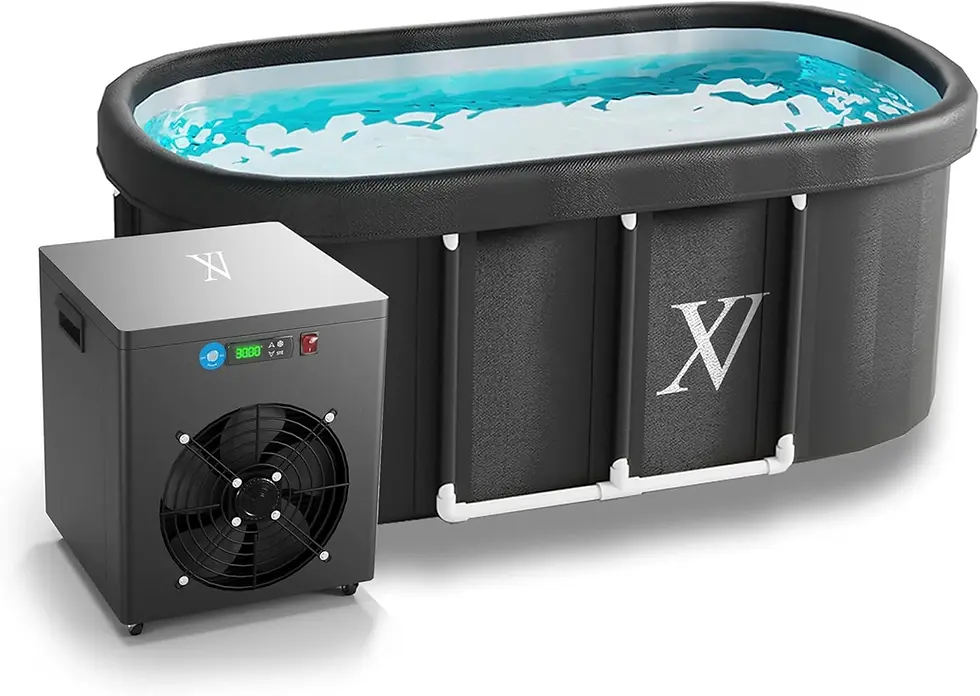
X-Vitalis ½ HP Ice Bath Chiller
This upgraded unit can cool water down to 38°F (≈ 3.3°C) even in high ambient temperatures. It includes an integrated pump and filter for better water circulation and purity.
Diveblast Cold Plunge Water Chiller + Tub
A complete bundle with a ¾ HP compressor, very low operating noise (just 44 dB), and a sturdy plunge tub, making it a convenient and high-performance setup for at-home cold plunging.

Penguin Chillers ¾ HP Cold Therapy Chiller
Specifically built for cold therapy rather than retrofitted from aquarium chillers. It offers a durable steel casing, a titanium heat exchanger, and reliable performance to keep water at very low temperatures.

Inergize Health 0.8 HP Chiller + Heater
A very versatile unit, with the ability to both cool and heat water. It has app-enabled remote control, a 5,903 BTU/hr cooling capacity, and is rated IPX4 for outdoor or indoor setups.

How to Maintain a Cold Plunge Chiller
To maintain your chiller, keep the filter clean, check the hoses regularly for debris, sanitize the water weekly, and ensure proper ventilation around the unit. Periodic deep cleaning also helps extend the system’s lifespan.
Cold water exposure exercises your blood vessels, making them stronger and more flexible. Over time, this leads to better circulation and cardiovascular health. - Gary Brecka, biologist
Schedule a PT Session at Empower Fitness and Discover Muscle Recovery Solutions
If you find yourself considering cold plunging, getting guidance from a licensed professional is a must! At Empower Fitness we offer Concierge Physical Therapy. Our team creates personalized plans that align with your goals, fitness level, and equipment setup, including your cold plunge chiller.
Our therapists evaluate how cold exposure fits into your training load, injury history, and mobility needs. Sessions may combine manual therapy, targeted strengthening, and education on optimal cold plunge temperature, safe exposure times.
Contact us today to schedule your consultation and start building a customized cold therapy plan at home!

FAQs About Cold Plunge Chillers
What Is the Ideal Temperature for Cold Plunging?
The ideal temperature for cold plunging is generally between 10°C and 15°C for most recovery goals.
How Much Electricity Does a Cold Plunge Chiller Use?
Most cold plunge chillers use about the same electricity as a small refrigerator, depending on horsepower and climate.
Can a Cold Plunge Chiller Also Heat Water?
Yes, some cold plunge chillers can heat water, but not all models include this feature.


Comments